

Our Blog
Why Enterprise Companies Are Moving Toward Managed Workspaces
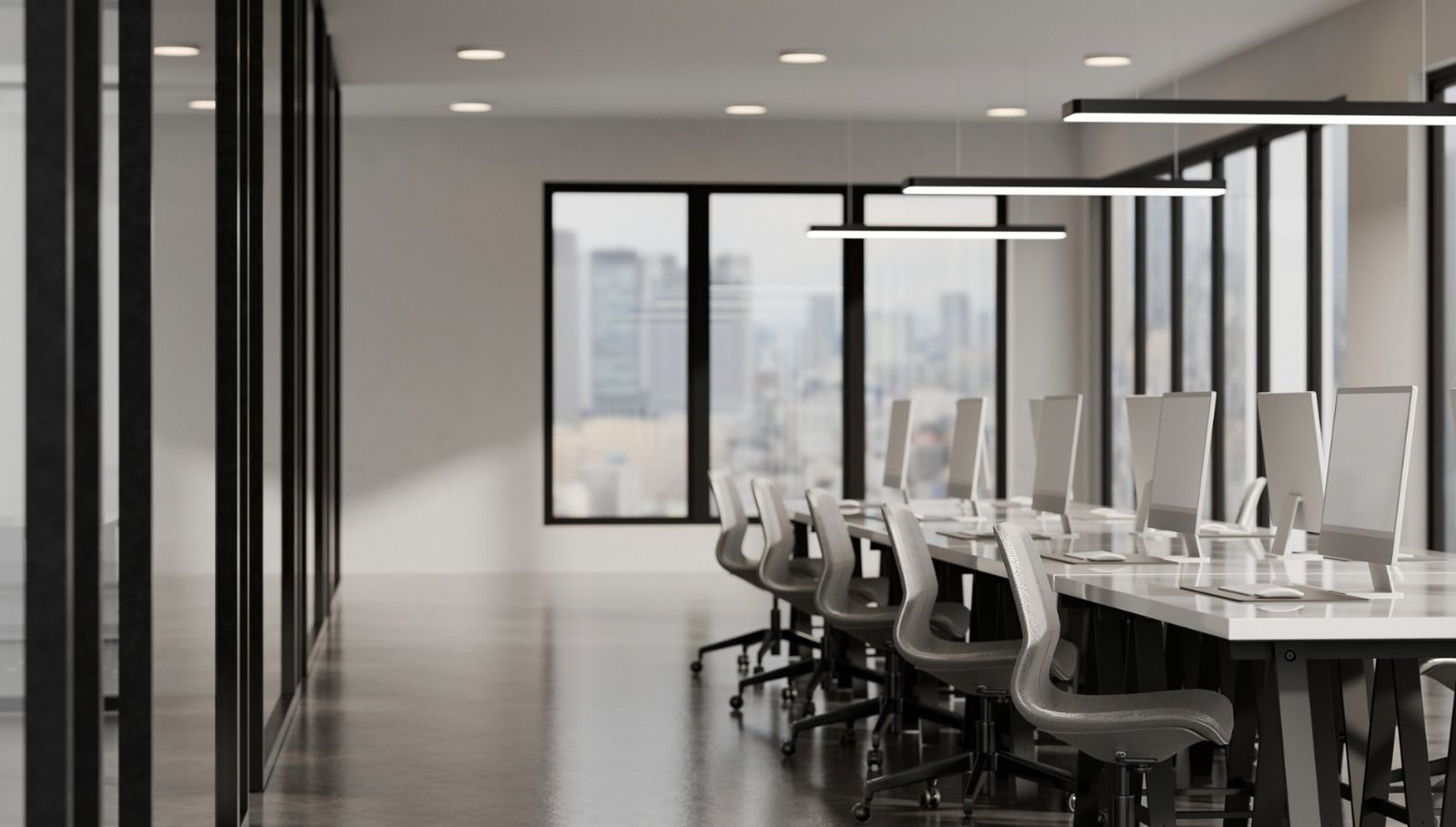
The way enterprise companies think about office space has changed dramatically in recent years. Traditional office models that once symbolized stability are being replaced by more agile and flexible solutions. As businesses adapt to shifting workforce expectations, changing operational needs, and rising real estate costs, managed workspaces are becoming the preferred choice for modern enterprises.
Today, companies no longer see offices as just places where employees sit and work. Offices are now strategic assets that influence productivity, collaboration, company culture, and operational efficiency. This shift is a major reason managed workspaces are gaining popularity across industries such as technology, consulting, manufacturing, and fast-growing startups.
What Are Managed Workspaces?
Managed workspaces are professionally operated office environments where a third-party provider handles the day-to-day management of the space. This usually includes office setup, interiors, maintenance, internet, housekeeping, security, utilities, meeting rooms, and administrative support.
Unlike coworking spaces, which are often designed for freelancers or small teams, managed workspaces are tailored for businesses that need dedicated office environments aligned with operational and branding requirements. They give enterprises a fully functional office without the burden of heavy infrastructure investment or ongoing facility management.
Flexibility Has Become a Priority
One of the biggest reasons enterprise companies are moving toward managed workspaces is the need for flexibility. In today’s business environment, workforce size, project timelines, and expansion plans can change quickly. Traditional office leases often come with long lock-in periods, high upfront costs, and rigid terms that make scaling difficult.
Managed workspaces solve this problem by offering office solutions that can expand or reduce based on business needs. For example, a company entering a new city can begin with a smaller team and scale up as operations grow. This allows organizations to stay agile while reducing long-term financial risk.
Lower Capital Investment
Setting up a conventional office requires significant capital expenditure. Enterprises must invest in interiors, furniture, technology infrastructure, security systems, utilities, and maintenance before employees can even begin working.
Managed workspaces reduce this burden because the infrastructure is already in place. Businesses can move into ready-to-use office environments with minimal setup time and lower upfront costs. This asset-light model helps enterprises allocate resources more efficiently toward growth, innovation, hiring, and customer acquisition rather than locking capital into office infrastructure.
Faster Setup and Expansion
Speed has become a critical factor in modern business operations. Companies launching new teams or expanding into new markets cannot afford delays caused by construction, vendor coordination, approvals, and infrastructure installation.
Managed workspace providers significantly reduce this timeline by offering fully operational offices that are ready for immediate occupancy. This enables enterprises to start operations faster and respond more quickly to business opportunities. For project-based teams, temporary operations, or rapid geographic expansion, this speed creates a major advantage.
Better Support for Hybrid Work
Hybrid work has permanently changed workplace strategy for many enterprise organizations. Instead of maintaining large centralized offices with full employee attendance every day, companies are now adopting more flexible workplace structures that combine remote work with in-person collaboration.
Managed workspaces support this shift by allowing enterprises to create satellite offices, decentralized hubs, or flexible team locations across multiple cities. Employees can work closer to home while still accessing professional office infrastructure when needed. This improves convenience, optimizes office utilization, and helps reduce real estate costs.
Improved Employee Experience
Modern employees expect more from workplaces than just desks and meeting rooms. Office design, comfort, wellness, and convenience now play a major role in satisfaction and productivity.
Managed workspaces are often designed with employee experience in mind. They typically include ergonomic workstations, collaborative meeting areas, breakout zones, wellness spaces, high-speed internet, and professional reception services. These features create a more engaging and motivating work environment.
For enterprise companies competing for top talent, high-quality workspaces can improve recruitment, retention, and overall workplace satisfaction. A positive office experience also supports stronger collaboration and better productivity.
Operational Simplicity
Managing a traditional office requires coordination with multiple vendors and service providers. Enterprises must oversee housekeeping, maintenance, utilities, internet, repairs, security, and administrative operations.
Managed workspace providers simplify this process by handling workspace-related operations under one integrated service model. As a result, companies can focus more on core business activities instead of spending time managing facilities. This leads to better efficiency, reduced complexity, and smoother day-to-day operations.
Scalability Across Locations
As businesses grow, maintaining consistent office standards across multiple cities becomes increasingly difficult. Managed workspace providers often operate across major business hubs, allowing enterprises to scale while maintaining quality and branding consistency.
This is especially valuable for multinational companies and distributed teams. Whether opening regional offices, entering new markets, or accommodating temporary project teams, enterprises can expand faster without the challenges of building each office from scratch. Consistency across locations also helps strengthen brand identity and employee experience.
Access to Premium Locations
Prime office spaces in major commercial districts are often expensive and difficult to secure through traditional leasing models. Managed workspace providers usually operate in premium business locations, allowing enterprises to establish offices in desirable areas without large upfront investment or long-term commitment.
This improves brand image, supports accessibility for employees and clients, and creates stronger networking opportunities. For many enterprises, the combination of flexibility and premium presence is a significant advantage.
Sustainability and Efficiency
Sustainability has become an important focus for modern enterprises. Companies are increasingly looking for ways to reduce waste, improve energy efficiency, and optimize resource use.
Managed workspaces support these goals through shared infrastructure, efficient space utilization, and optimized utility consumption. Instead of maintaining underused office areas, enterprises can scale workspace usage according to actual requirements. This reduces costs while supporting broader environmental and ESG priorities.
Conclusion
The shift toward managed workspaces reflects a broader transformation in how enterprises approach office strategy. Today’s businesses need flexibility, speed, efficiency, and employee-focused environments to stay competitive. Managed workspaces offer these benefits while reducing the financial and administrative burden of traditional office models.
From supporting hybrid work and faster expansion to improving employee experience and optimizing costs, managed workspaces provide enterprises with a smarter and more adaptable approach to modern business operations. As workplace expectations continue to evolve, they are becoming a long-term strategic solution for growth-focused organizations.

Aakash Jain